
TL;DR · executive summary
What you’ll find in this article
Still think the only way to digital authority is to accumulate backlinks? Wrong. That’s the mentality of ten years ago. Today, Google is no longer fooled by links alone. It now measures your authority through shared mentions. And here comes a concept that many ignore: co-citations....
Still think the only way to digital authority is to accumulate backlinks? Wrong. That’s the mentality of ten years ago. Today, Google is no longer fooled by links alone. It now measures your authority through
Según BrightEdge (2025), el tráfico orgánico representa el 53,3% de todo el tráfico web, consolidándose como el canal de adquisición más importante. — Fuente: BrightEdge Research, 2025
If your digital strategy is still anchored on getting links at any cost, you are leaving money on the table. The reality is that you can build authority and relevance without a single backlink, only with strategic mentions. In this guide you will discover how to do it, step by step, and why co-citations are the lever your business needs to scale in a sector as competitive as artificial intelligence.
We are not going to sell you smoke. Here we are not talking about promises, but about systems that work. Your competitors are already applying it. The question is: are you going to keep improvising while others consolidate authority without links, or are you going to activate this strategy right now?
What is co-citation?
You don’t need a backlink to gain authority. You need to appear with those who already rule.
Co-citation is an SEO technique that plays in a different league: it doesn’t look for links, it looks for strategic association. If your company is mentioned in the same content as OpenAI, even if there is no direct link, Google starts to relate you to the thematic universe of AI. And that weighs. A lot.
Clear example: Forbes writes about artificial intelligence, quotes OpenAI and your company in the same paragraph. What happens? Google sees it. So does the market. You are sharing space with the referents. You become one of the circle.
It’s not magic. It’s contextual positioning.
Today, digital authority is no longer measured only in backlinks. It is measured in who you share headlines, paragraphs and mentions with. In sectors where everything changes fast (like AI) this is a real lever of visibility.
Co-citations and co-occurrence, which one builds brand and which one only decorates content?
The difference is not technical. It is strategic.
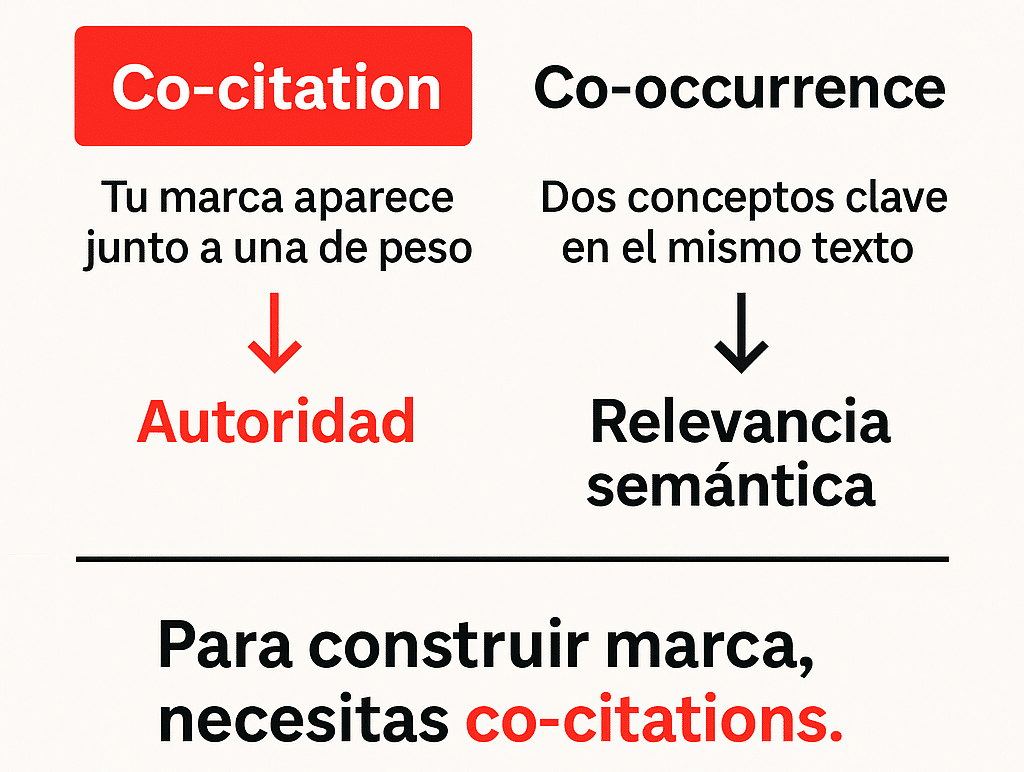
Co-citation is when your brand appears next to another important brand in the same content. What do you gain? Authority. It’s validation by association. If NVIDIA and your company are cited in an article about AI, it’s not a coincidence: it’s real positioning.
Co-occurrence, on the other hand, is when two key concepts are mentioned in the same text. What does it generate? Semantic relevance. “Artificial intelligence” and “machine learning” in the same paragraph don’t give you reputation. Only context.
So which one do you need?
If you’re looking to scale traffic and reinforce content, co-occurrence works.
But if your goal is for your brand to stop being one among many and start playing in another league, you need co-citations. Because that doesn’t just link you. It validates you.
How co-citation hacks Google’s algorithm
Google doesn’t shout it, but it makes it clear: it’s not just about links anymore. It’s about context.
And co-citation dominates it.
Although it has not officially confirmed it, the behavior of the algorithm makes it clear. Google interprets co-citations on three levels. And if you’re not playing there, you’re falling off the map.
Entity recognition: it is not enough to be there, it matters with whom.
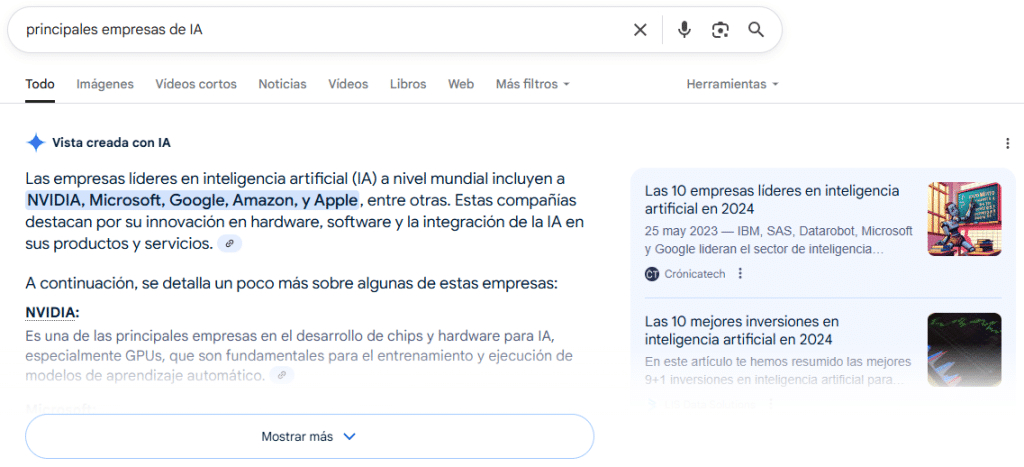
Google detects brands, authors, concepts. And when two of these entities appear repeatedly in the same content, it interprets that they are related.
Real example: your company is mentioned alongside DeepMind and Microsoft in several AI analyses.
The result? Google starts to read you as part of the same ecosystem.
Creation of thematic maps: how to define your digital territory
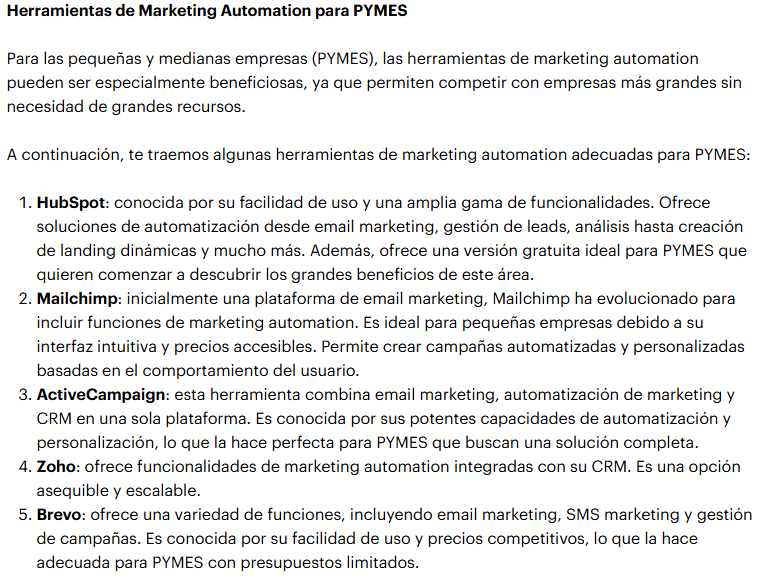
The algorithm groups entities into semantic clusters. And those maps are not built only with backlinks: they are built with co-citation patterns.
Is your brand featured in automation content alongside HubSpot and Salesforce?
Then Google puts you in their cluster of “automated marketing tools”.
Contextual relevance: algorithm rewards good company
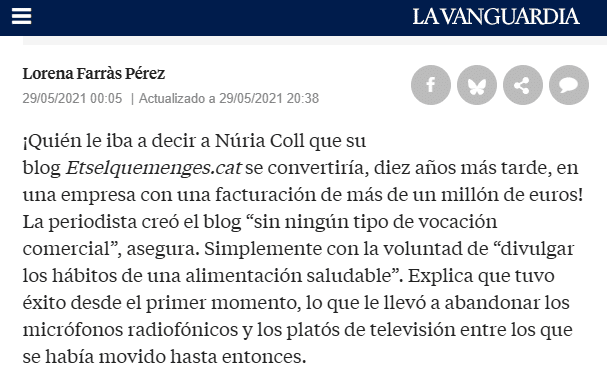
When your brand frequently appears next to authoritative media or companies, it’s not just a wink. It is a statement of confidence.
Example: you share a paragraph with Bloomberg or The Economist in a content about AI.
What you gain is not only visibility. It is thematic weight. Authority without asking for it.
How to force your way into Google’s semantic map (without begging for links)
You can’t control every mention.
But you can design the conditions to make them happen. This is strategy, not luck.
These are the actual levers that activate co-citations with impact:
Create content that others cannot ignore
Mentions are not begged for. They are provoked.
Publish dense guides, your own studies, analyses that no one else has, original reports, comparisons between tools… If your content has referential value, citing you will be inevitable.
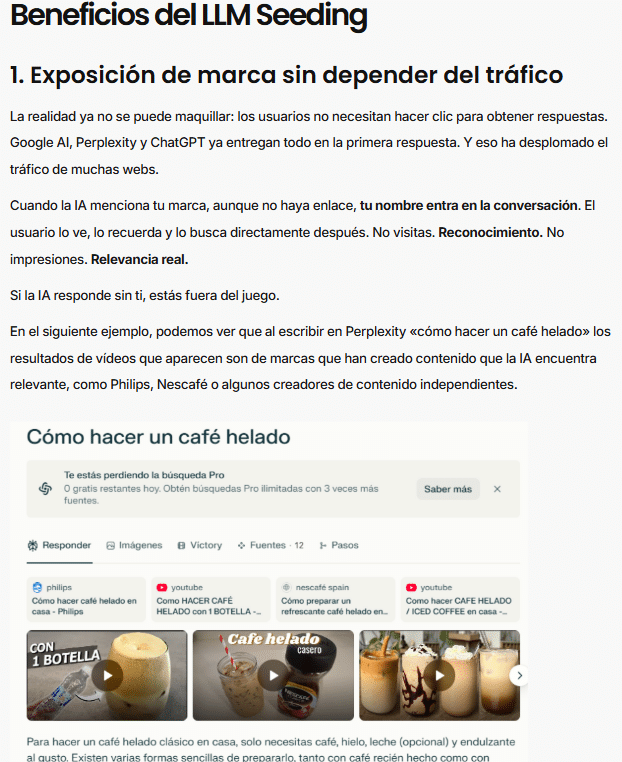
Mention those who already dominate your sector
It’s not politeness. It’s strategy.
When you cite leaders, you reinforce your semantic context and place yourself near them on Google’s (and their audience’s) radar.
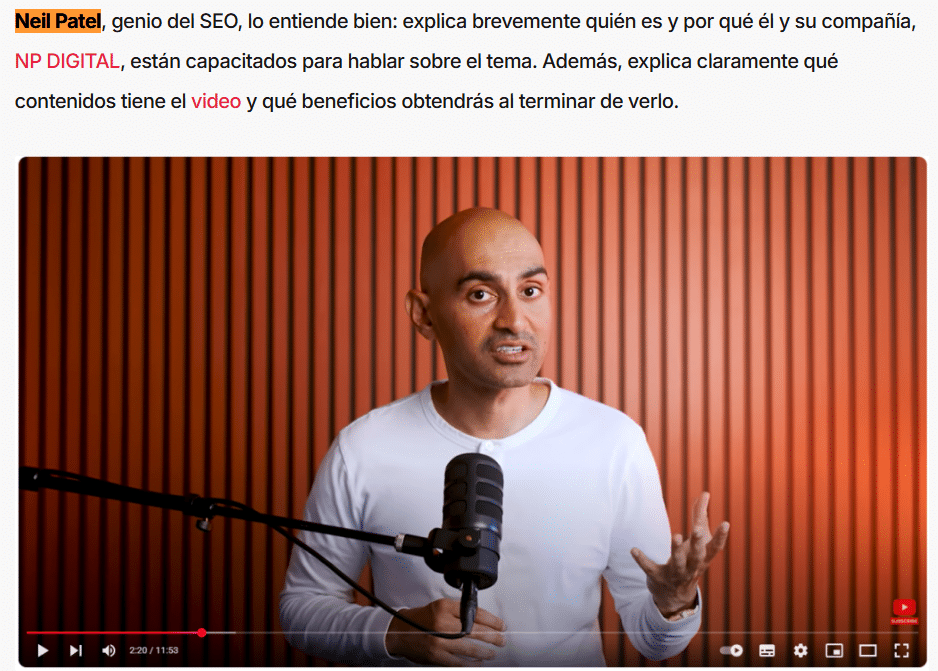
Sneak into the media that are already talking about your competitors
Analyze where your rivals and those brands that already have authority are appearing. Then get your brand in there.
It is not visibility. It is calculated infiltration.
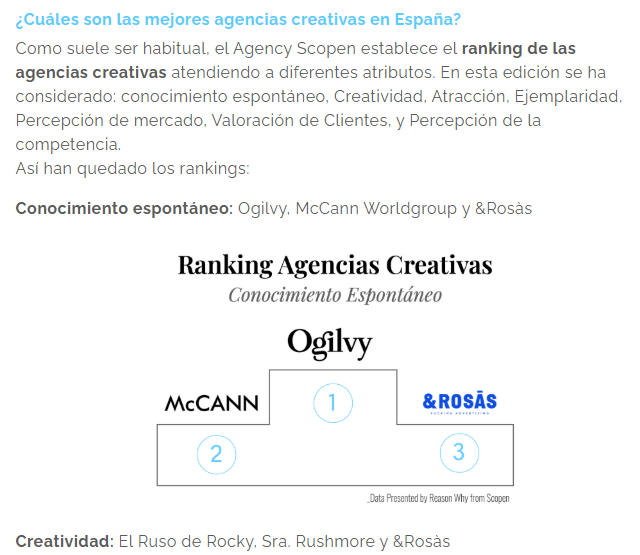
Alliances that add authority, not just followers
Webinars, interviews, content collaborations, joint content campaigns… Each joint action is an opportunity to generate co-citations without asking for them.
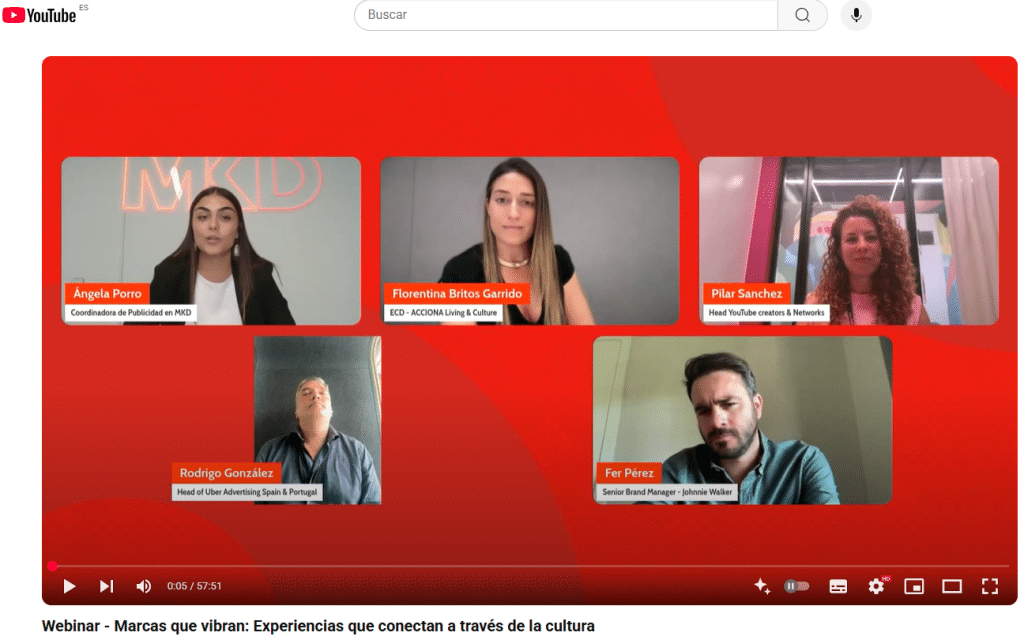
Guest posting with a new objective: not only links, but context.
It’s no longer about placing your link. It’s about placing yourself in the same universe as the leaders in your industry. Select media that already cite your competitors, add cross mentions with natural language and choose topics where your brand can bring particular value.

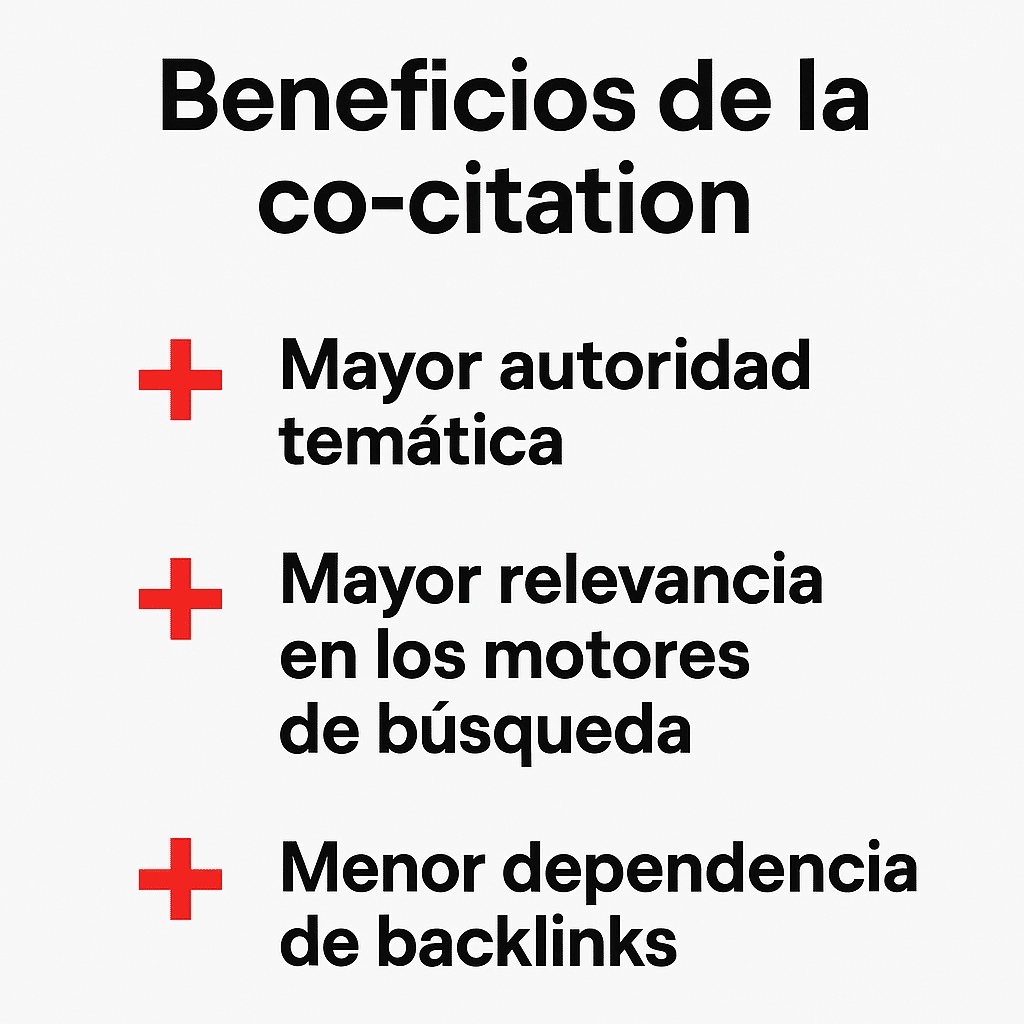
Real benefits of co-citation (beyond manual SEO)
This is not about decorative metrics.
It’s about positioning yourself where it matters. And co-citation does that without asking permission.
Authority without shortcuts: you are where the greats are
When your brand appears next to top competitors or industry benchmarks, Google doesn’t need links to understand that you play in their league.
The shared mention puts you in the same field. No pushing. Without begging.
Are you being cited alongside OpenAI or DeepMind? That’s not just digital perception. It is a direct opening to partnerships, press and decision-making tables.
Semantic relevance: stop explaining what you are doing.
Google starts to connect your brand with key concepts.
If you are cited next to “machine learning” or “automated decision-making”, you don’t need to repeat it a thousand times. You’re already there. This impacts
Less backlinks. More real positioning
Yes, links still count. But depending on them makes you hostage.
Co-citation builds you authority in a clean way, without buying it or forcing it.
Ideal if you compete in sectors where linkbuilding has become a dirty war. This is reputation without bribes.
How to get the most out of Co-Citation
It’s not about “see if you get mentioned”. It’s about designing a system to make it happen.
And to make it happen where it matters.
Create content that does not expire. That is self-quoting
Trendy SEO dies in weeks.
. The evergreen content (in-depth guides, practical tutorials, useful reports) survives for years and is cited by inertia.
A guide on “machine learning applied to business” does not get old. A guide on “trends 2025” does. Bet on real utility, not on ephemeral novelty.

Don’t just link up with anyone. Aim high
A mention in a blog without weight does not move the needle.
But appearing in media with real authority accelerates your positioning as if you had bought 50 backlinks (without doing it).
Prioritize collaborations with brands, portals or publications that are already where you want to be. Authority is transmitted. And it shows.
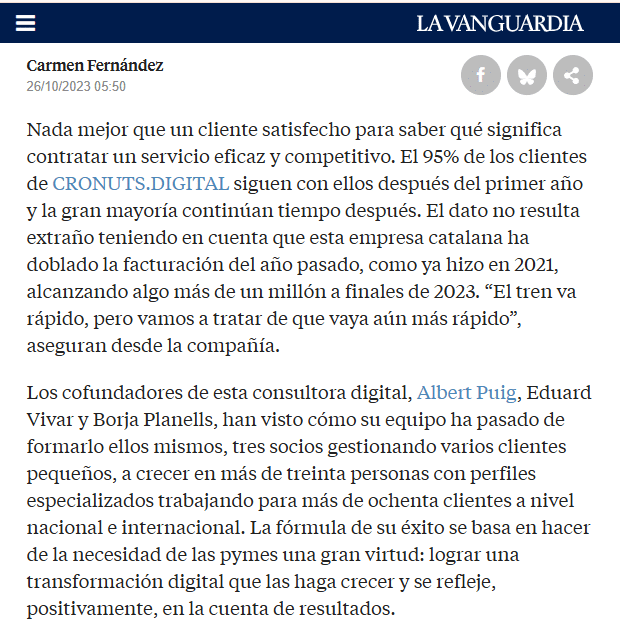
Speak the language that Google (and your industry) respects
It is not enough to say “AI”.
It uses terms such as “NLP”, “deep learning”, “semantic optimization”. The more technical and specific your language is, the more chances you have of being quoted in important contexts. If you do not speak as an expert, Google does not classify you as such.
Real examples of co-citation: how to build authority without asking for links
Example 1: sectoral blog rankings
A smartphone blog publishes its annual top 5 and mentions Apple, Samsung and Google Pixel.
Does your brand appear there? You are competing in the first division. Even if there is not a single link.
Google understands: if you’re in the same sentence as the big guys, you play in their league.
Example 2: articles in business media
A marketing portal mentions Neil Patel and Seer Interactive in a note on trends.
No links. But there is a brutal semantic connection.
The search engine no longer needs links to understand that you share specialization. Neither does the reader.
Example 3: tool comparisons
An article about SEO mentions Ahrefs, SEMrush… and your software.
No backlinks. But immediate positioning within the cluster of relevant solutions.
Appearing alongside the leaders is no coincidence. It’s strategy. And it changes the perception of your brand instantly.
El mercado global de servicios SEO alcanzó los 108.280 millones de dólares en 2026, con un crecimiento del 32,9% en solo dos años (DemandSage, 2026). — Fuente: DemandSage, 2026
Tools to track if you are already playing in the big league
Co-citation is useless if you don’t monitor it.
These tools are not “nice to have”. They are basic if you are serious.
Google Alerts
Basic but useful. Alerts you every time your brand or keywords appear online.
Not the most powerful tool, but it keeps you awake.

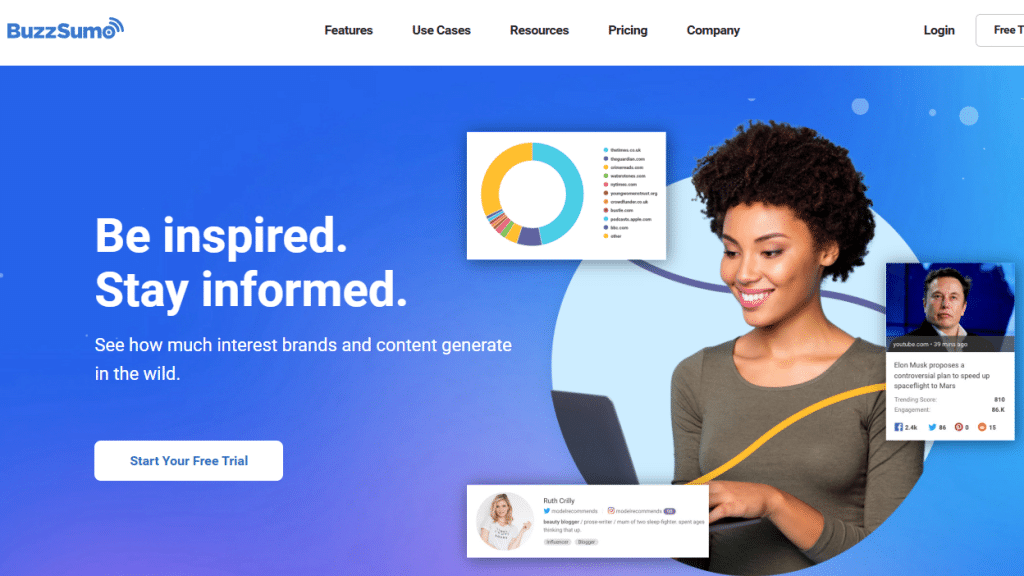
BuzzSumo
Track mentions in media, blogs and networks.
Perfect to identify which content is generating co-citations… and copy the pattern.
Ahrefs
More than backlinks. Detects mentions without links and shows you who you share space with.
Ideal to know if Google is already reading you as a competitor of the leaders.

SEMrush
Monitor mentions of your brand and your rivals.
If they are being cited more (and better), you know what you have to scale.

Frequently Asked Questions
What CMOs and directors ask us.
8 concrete questions answered in ≤ 80 words · optimal format for AI Overviews.
How can I detect if my brand is already being mentioned in the same context as leaders in my industry?
And if you are not on the radar, you do not exist on a semantic level.
What is the difference between an organic mention and a strategically triggered mention?
An organic mention happens by inertia: someone found value in what you do and names you. It's fine, but it doesn't scale.
A strategic mention, on the other hand, is designed. You publish content designed to be cited, you quote industry leaders to activate semantic reciprocity, or you collaborate with media that already generate powerful co-citations.
It is the difference between waiting to be mentioned... or appearing where you decided to be. One generates sustained authority. The other, only punctual visibility.
How does co-citation influence voice search and artificial intelligence assistants such as Google Assistant or ChatGPT?
When assistants such as ChatGPT or Google Assistant respond to a query, they do not prioritize only by keywords, but by validated thematic relationships.
If your brand appears in content next to recognized entities in a certain field, you are more likely to be associated as a relevant source. Not because you paid more, but because you are on the same semantic map as the referrers.
And that is achieved with well-placed co-citations.
What is the relationship between co-citations and the construction of E-A-T (Expertise, Authoritativeness, Trustworthiness) in Google?
Especially when it comes to the "A" for Authority. If your brand is mentioned next to entities with high E-A-T, Google automatically associates you to the same trusted ecosystem. You don't need to have a backlink from them. It's enough to share content, mentions or recurring appearances.
It's a smart shortcut to build digital reputation without getting into the dirty war of linkbuilding.
Can startups with no budget compete with large corporations using co-citations?
Co-citation helps build authority without spending thousands on links or advertising. A startup that publishes strategic content, collaborates with other brands and gets into the mainstream media can position itself as a valid voice without relying on budget.
In a market where many pay for empty visibility, you can gain reputation with smart mentions.
You don't need budget to appear with the big boys. You need clarity, focus and a strategy that is not based on waiting for the traffic to come.